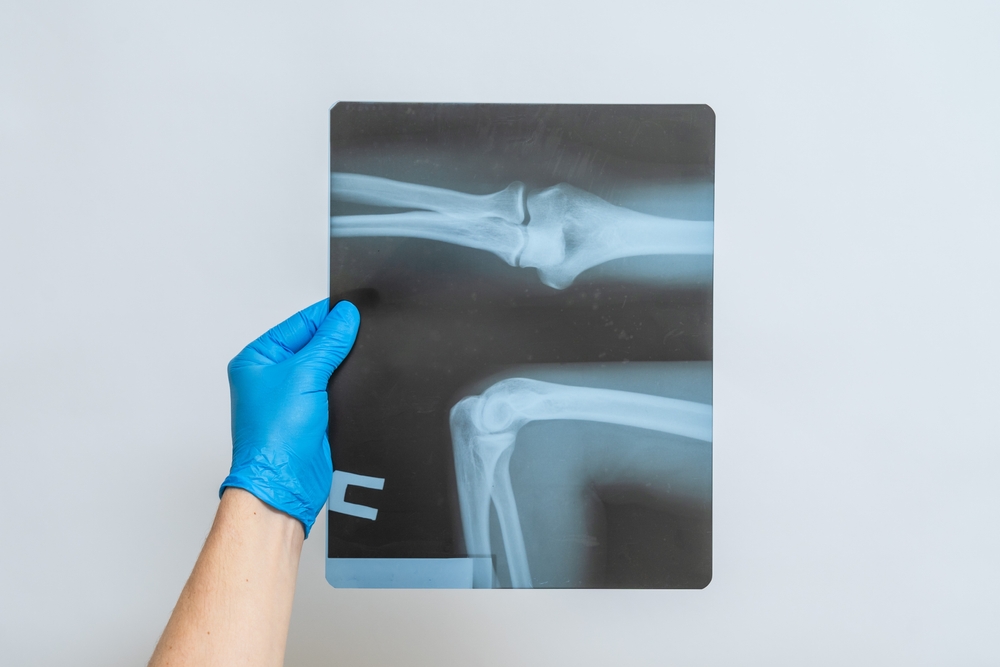
Car Accident Injuries That Don’t Show Up on X-Rays
After a collision, hearing “nothing’s broken” can feel like a relief. X-rays look normal, the adrenaline fades, and it seems reasonable to move on. Yet many car accident injuries do not appear on standard imaging, and that false reassurance often delays care.
The body can sustain meaningful trauma without fractured bones. This article explains why hidden injuries are common after auto accidents and how to recognize when symptoms deserve attention.
Why “Nothing’s Broken” Does Not Mean You Are Fine
X-rays are excellent for detecting fractures and dislocations. They are not designed to show soft tissue damage, nerve irritation, or subtle alignment changes. When results come back normal, it is easy to assume the body escaped injury. In reality, forces involved in even low-speed collisions can strain tissues beyond their tolerance.
Symptoms may be mild at first or delayed altogether. Pain that surfaces days later often feels confusing because imaging seemed reassuring. Understanding what X-rays miss helps explain why lingering discomfort after an accident should not be ignored.
Why X-Rays Have Limitations After Car Accident Injuries
X-rays capture dense structures like bone. They cannot visualize muscles, ligaments, tendons, discs, or nerves in detail. Soft tissue absorbs much of the force during a crash, which is why these structures frequently sustain injury.

Delayed symptom onset adds to the challenge. Adrenaline masks pain in the immediate aftermath. Inflammation develops over time, revealing stiffness, headaches, or radiating pain days or weeks later. Relying solely on early imaging overlooks this timeline and can delay appropriate evaluation of car accident injuries.
Several injury types commonly evade standard imaging, including:
Whiplash and cervical strain occur when the head and neck snap rapidly forward and back. Muscles, ligaments, and joints absorb force without fracturing, leading to stiffness, headaches, and reduced range of motion.
Disc injuries involve bulges or tears that alter spacing around spinal nerves. These changes rarely appear on X-rays but can cause back pain or symptoms that travel into the arms or legs.
Nerve compression or irritation develops when swelling, disc changes, or joint restriction affects nerve pathways. Tingling, numbness, weakness, or burning pain point toward nerve involvement rather than bone injury.
Ligament and tendon damage destabilizes joints. These tissues do not show on X-rays, yet their injury leads to lingering pain and reduced function.
Postural and alignment changes occur when the body adapts to trauma. Subtle shifts increase stress on joints and soft tissue, setting the stage for chronic issues if unaddressed.
Delayed Symptoms After an Auto Accident
Pain does not always appear immediately. Adrenaline suppresses sensation in the short term, while inflammation builds gradually. Muscle guarding and joint stiffness may increase overnight or after returning to routine activity.
Delayed symptoms often include headaches, neck stiffness, low back pain, or radiating discomfort. Waiting for pain to become severe can complicate recovery. Early evaluation captures injury patterns before compensation and chronic irritation develop, even when initial discomfort seems manageable.
The Long-Term Risk of Untreated Hidden Car Accident Injuries
Untreated soft tissue and nerve injuries can evolve into chronic pain. Reduced mobility and altered movement patterns place extra stress on surrounding structures, spreading discomfort beyond the original area.
There are practical consequences as well. Delayed care complicates insurance claims because documentation gaps raise questions about injury origin. Establishing a clear timeline protects both health and legal interests. Addressing car accident injuries early reduces the likelihood of prolonged treatment and persistent symptoms.
When to Seek Care After an Accident
Certain red flags warrant evaluation regardless of imaging results. Worsening pain, headaches that persist, radiating symptoms, numbness, tingling, or weakness signal the need for care. Pain that interferes with sleep or daily activity also deserves attention.
Waiting it out often backfires. Early assessment focuses on function and movement, not just pain levels. Proper documentation from the start supports both recovery and claims, creating a clear record of injury progression.
Non-Invasive Care for Hidden Auto Accident Injuries
Conservative care addresses the injuries X-rays miss. Chiropractic care focuses on spinal and joint trauma by restoring motion and alignment after impact. When joints move correctly, stress is distributed evenly and irritated tissues calm.

SoftWave therapy supports soft tissue and ligament healing by stimulating circulation and cellular activity. This approach helps address stubborn tissue irritation without injections or medication. Early, conservative care reduces the risk of chronic issues and supports recovery while also providing clear medical documentation.
Positioning care early protects health and legal standing. Treating hidden car accident injuries promptly lowers the chance that minor trauma turns into a long-term problem.
Practical Steps After a Collision
Pay attention to how the body feels in the days following an accident. Note stiffness patterns, headaches, or radiating pain. Avoid dismissing symptoms because imaging looked normal. Seek evaluation that considers soft tissue, nerve health, and movement quality.
Maintain gentle movement within comfort to avoid excessive stiffness. Avoid pushing through pain that worsens symptoms. Clear communication with providers ensures care aligns with both recovery goals and documentation needs.
Invisible Injuries Still Deserve Attention
Trust symptoms as much as test results. X-rays rule out fractures, not injury. Proactive evaluation prevents long-term complications and supports a smoother recovery path.
At Optimal Health Members, we provide non-invasive care for car accident injuries that addresses soft tissue, nerve irritation, and movement changes often missed on imaging. Protect recovery today and prevent chronic issues tomorrow. Book a session today.
