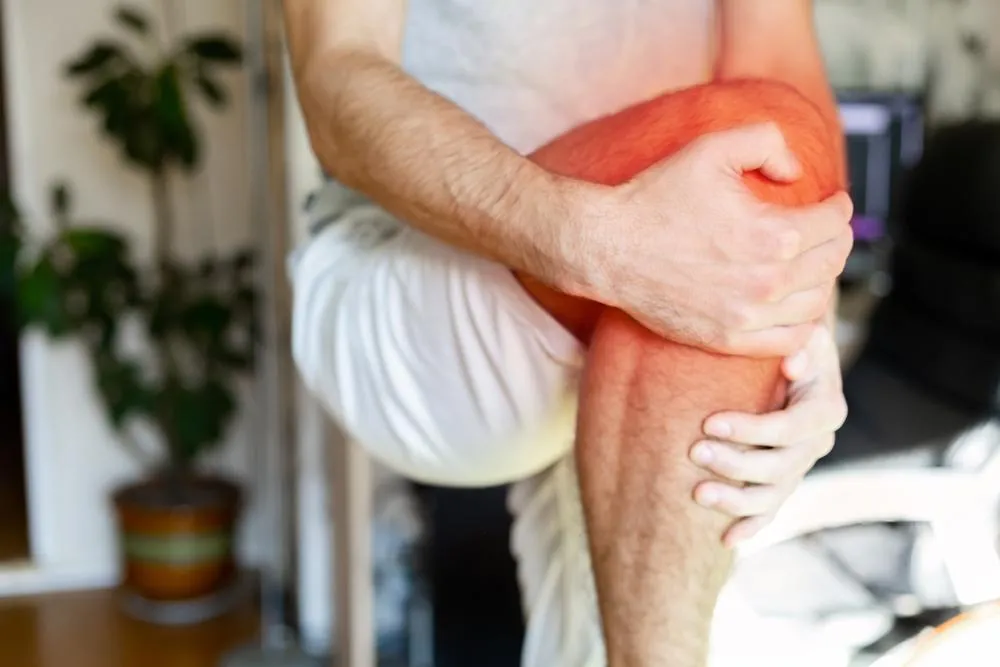
Does Inflammation Play a Role in Recovery?
Is inflammation the enemy of healing or the body’s hidden ally? Many people associate swelling, redness, and stiffness with setbacks, but the truth is more complex. Inflammation is part of the body’s natural defense system, and without it, tissues would not repair after injury. At the same time, when inflammation lingers unchecked, it can cause long-term discomfort. This dual role makes it central to both healing and chronic pain relief.
What Is Inflammation in Simple Terms?
Think of inflammation as the body’s alarm system. When an injury occurs, whether from a hard fall, muscle strain, or repetitive stress, the body sounds the alarm by rushing blood, immune cells, and nutrients to the site. This is why the injured area often looks swollen, red, or feels warm.
In the short term, inflammation is protective. It tells you to stop moving, shields the area from further damage, and kick-starts repair. But like an alarm that will not shut off, prolonged inflammation creates more harm than help. Instead of promoting healing, it can fuel ongoing pain and stiffness, which makes chronic pain relief a vital part of the recovery journey.
The Scientific Side of Inflammation and Recovery
At the cellular level, inflammation is a highly organized biological process. White blood cells swarm the injured tissue, releasing signaling molecules called cytokines. These act like messengers, summoning other healing agents to clear out damaged tissue and stimulate new growth. Fibroblasts then move in to produce collagen, which knits the tissue back together.

This sequence is essential for healing. But it is also why injuries can feel worse before they feel better: pain and swelling are signs that the repair crew has arrived.
As time passes, the body begins remodeling the injured tissue, making it stronger and more resilient. The problem arises when this process does not switch off as it should. Instead of tapering, inflammation lingers and damages healthy tissue around the injury site.
Another important factor is that the body heals differently as you age. Younger individuals tend to progress through the phases of inflammation, repair, and remodeling more efficiently. In contrast, older adults may experience prolonged inflammation, slower collagen production, and stiffer scar tissue, which can increase the risk of chronic pain and delayed recovery.
Inflammation and Chronic Pain Relief
So is inflammation good or bad? The answer is both.
In the early stages of recovery, inflammation prevents further harm by restricting movement and attracting healing resources. Without it, injuries would take far longer to mend. However, when inflammation becomes excessive or chronic, it hinders the very process it is meant to support. The result can be painful scar tissue, reduced mobility, and even long-term joint or muscle problems.
Athletes who push through pain without managing inflammation often find themselves battling recurring injuries. On the other hand, those who guide their recovery intelligently, allowing enough inflammation to repair tissue while keeping it under control, tend to return stronger and avoid reinjury. This balance is essential for both recovery and long-term chronic pain relief.
Strategies to Guide Inflammation for Chronic Pain Relief
Healing is not about eliminating inflammation altogether. It is about managing it wisely. This is where lifestyle, movement, and professional care intersect.
Active recovery that blends therapy and exercise is one of the best ways to regulate inflammation. Gentle mobility work improves circulation, while therapeutic treatments keep inflammation within a healthy range. Rest, hydration, and adequate sleep provide the body with the resources it needs to repair.
Nutrition also plays a key role. Anti-inflammatory foods like leafy greens, fatty fish, and berries supply antioxidants that help balance the body’s response. Protein supports tissue repair, while vitamins and minerals like vitamin C and zinc accelerate healing. The role of nutrition in recovery should not be underestimated, as it directly affects how quickly the body can repair itself.
The goal is not to silence inflammation entirely but to channel it so the body can heal efficiently and without creating lingering pain.

Alternative Therapies That Support Inflammation Control
For athletes and active individuals, advanced therapies can help bridge the gap between biology and performance.
Shockwave therapy, for instance, uses acoustic waves to stimulate cellular repair and improve circulation in damaged tissue. By encouraging the body’s natural healing mechanisms, it can help shorten recovery time and reduce lingering inflammation. This makes it especially valuable for chronic tendon or muscle injuries that resist conventional care.
Red light therapy is another innovative approach. By enhancing mitochondrial function, which is how cells generate energy, it supports faster repair while calming inflammatory responses. Combined with chiropractic care and spinal decompression, it promotes alignment and relieves strain on joints and muscles.
Together, these treatments can form part of a comprehensive chronic pain relief therapy plan, offering not just temporary comfort but long-term improvements in mobility and quality of life.
Turning Inflammation Into an Ally
Inflammation is not simply something to fear or suppress. It is the body’s way of protecting and repairing itself. Yet left unmanaged, it can become an obstacle that prolongs pain and limits performance. The key lies in striking a balance: supporting the healing benefits of inflammation while preventing it from becoming chronic.
At Optimal Health Members, we dedicate our time to helping people recover in ways that are safe, efficient, and holistic. By combining chiropractic adjustments, SoftWave tissue regeneration, red light therapy, and nutritional strategies, we focus on reducing inflammation, restoring alignment, and empowering the body to function at its best. Book a session to start treatment.
