How to Deal with Knee Pain from Repetitive Lateral Movements in Pickleball
Few sports combine agility, speed, and strategy quite like pickleball. Its fast-paced rallies demand quick direction changes, often through repetitive lateral movements. While this dynamic style of play keeps the game exciting, it also puts considerable strain on the knees. For players who push themselves hard, knee pain can quickly turn from an occasional annoyance into a lingering problem that affects performance and enjoyment.
Ignoring knee discomfort and continuing to play at full intensity can worsen the issue, sometimes leading to chronic problems that sideline athletes for weeks or months. The key is learning how to manage and prevent knee strain before it escalates, while still enjoying the sport you love.
Why Repetitive Lateral Movements Stress the Knees
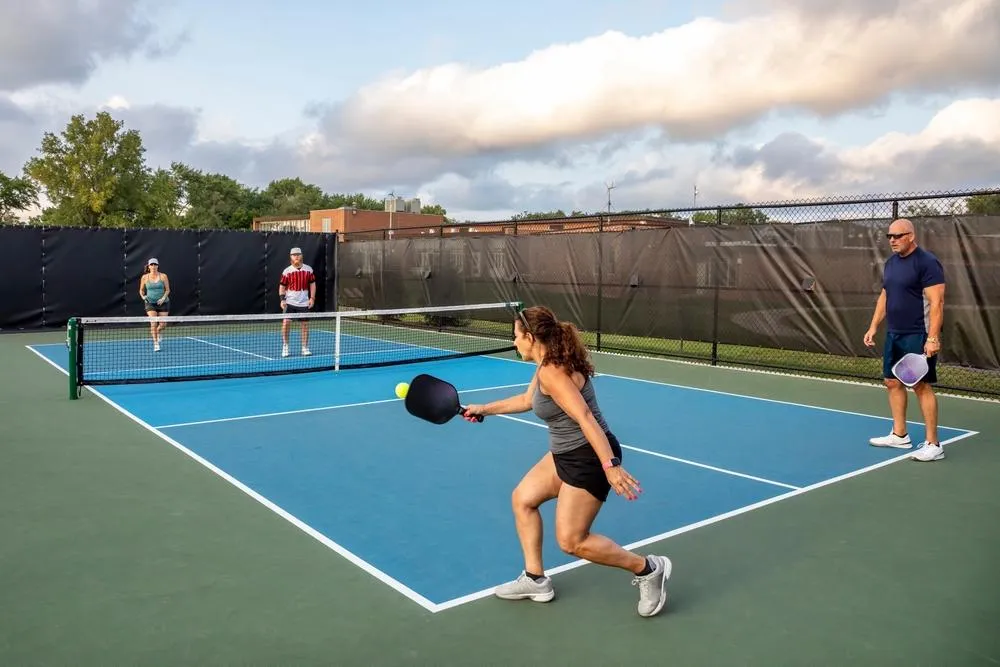
Pickleball requires constant shuffling side-to-side to respond to volleys and return shots. These movements repeatedly load the knee joint, especially the ligaments and tendons that stabilize it. Over time, this can lead to inflammation, tendon irritation, and microtears in surrounding tissues. The faster and more frequently these movements are performed, the more stress accumulates.
For players over 50, joint cartilage may already have some wear, making it even more important to adapt their game and recovery habits to preserve long-term knee health. A strategic approach can help you stay active and pain-free in pickleball after 50 without sacrificing the fun or competitiveness of the game.

Building Strength to Avoid Knee Pain
Strong muscles act as shock absorbers, easing the strain on joints. Focusing on quadriceps, hamstrings, calves, and hip muscles creates a solid foundation for the knees. Squats, lunges, leg presses, and hamstring curls, performed with proper form, can improve stability and resilience. Adding resistance bands or light weights increases the challenge without putting excessive load on the joints.
Equally important is strengthening the muscles of the hips and glutes. These larger muscle groups help control side-to-side motion and reduce the torque placed on the knees during rapid direction changes.
Flexibility and Mobility Work for Smoother Movement
While strength is essential, flexibility ensures joints and muscles move freely without unnecessary tension. Dynamic stretches before playing, such as leg swings or walking lunges, prepare the body for quick movements. After games, static stretches for the quadriceps, hamstrings, and calves help release tension and aid recovery.
Mobility exercises, like hip openers and ankle rotations, also play a role. Good mobility in the joints above and below the knee allows smoother, more controlled lateral movement, which reduces strain with each shuffle.
Adjusting Footwork and Technique
One overlooked cause of knee pain is inefficient footwork. Crossing the feet during quick direction changes can twist the knees unnaturally. Instead, using a shuffle step keeps the body aligned and distributes force more evenly. Staying light on the balls of the feet helps with quicker transitions while minimizing impact.
It’s also helpful to keep knees slightly bent and weight centered when anticipating shots. This athletic stance absorbs shock and reduces the jarring forces that come with sudden stops and starts.
Managing Pain and Inflammation After Play
Even with the best preparation, intense pickleball sessions can sometimes leave the knees sore. Applying ice for 15 to 20 minutes after games can reduce inflammation and swelling. Compression sleeves provide support and help manage discomfort during and after play.
For players already dealing with persistent pain, a chronic joint pain treatment plan may be necessary. Early intervention is critical to prevent short-term discomfort from becoming a long-term issue.
The Role of Professional Care in Knee Pain Relief
When home remedies and self-care aren’t enough, professional therapies can speed recovery and restore mobility. Chiropractic adjustments for the knee and surrounding joints can improve alignment and reduce uneven stress. Targeted therapies that encourage tissue repair, such as SoftWave technology, can address both acute injuries and ongoing degeneration.
SoftWave is a revolutionary treatment for knee pain that uses acoustic waves to stimulate healing at the cellular level. By improving circulation, breaking down scar tissue, and promoting regeneration, it can help players recover faster and return to the court with less pain.

Staying in the Game for the Long Term
The goal for any athlete is not just to heal from an injury but to prevent its recurrence. Maintaining strength, flexibility, and proper technique creates a strong defense against future knee problems. Regular check-ins with a sports chiropractor can help catch minor issues before they escalate, ensuring you continue to experience joint and knee pain relief without interruptions to your active lifestyle.
Nutrition also plays a role in recovery and performance. An anti-inflammatory diet rich in omega-3 fatty acids, antioxidants, and lean proteins supports joint health and speeds healing. Hydration is equally important, as it keeps joint cartilage lubricated and resilient during play.
Free Yourself From Knee Pain
Knee pain doesn’t have to end your time on the pickleball court. With the right combination of strength training, mobility work, improved technique, and professional care, it’s possible to keep moving without discomfort.
At Optimal Health Members, we’ve helped countless athletes recover from sports-related knee issues through advanced, non-invasive therapies. Our shockwave therapy offers a safe, highly effective option for accelerating healing, reducing inflammation, and restoring mobility without surgery or extended downtime. If knee pain is limiting your game, it’s time to take action. Book your session today and start your journey toward lasting relief and stronger, healthier knees.
