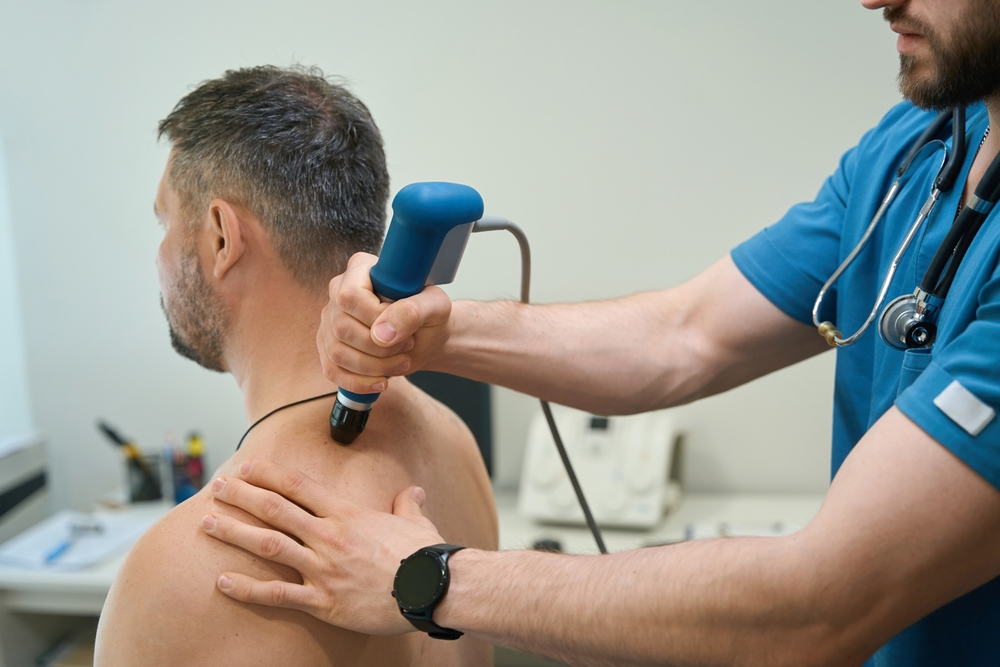
Post-Workout Recovery: How Shockwave Therapy Helps Athletes Heal Faster
Intense workouts often leave muscles sore, inflamed, and struggling to recover fully for subsequent sessions. Shockwave therapy provides athletes with a non-invasive method to stimulate tissue repair and accelerate recovery. Integrating this therapy into post-workout routines helps reduce inflammation and supports optimal athletic performance.
Understanding Common Post‑Workout Muscle Stress
High-intensity training often causes microtears in muscles, resulting in soreness and reduced mobility. If unmanaged, these small injuries can accumulate and limit performance. Athletes need structured recovery strategies to maintain consistent training.

Muscle fatigue can limit strength output and delay future workouts if not addressed promptly. Inflammation and stiffness may linger, affecting daily function and exercise quality. Adequate recovery strategies are essential for improving resilience and maintaining peak performance.
Delayed healing may result in chronic soreness, tightness, and even small-scale injuries over time. Traditional rest alone sometimes fails to fully optimize tissue repair. Shockwave therapy addresses these challenges by stimulating blood flow and cellular regeneration in affected tissues.
What Shockwave Therapy Is and What It Does
Shockwave therapy uses focused acoustic waves to target soft tissue, tendons, and fascia. These waves penetrate deep tissues, promoting collagen synthesis, vascularization, and improved cellular function. Over time, treated areas show faster structural repair and increased flexibility.
A study involving athletes investigated the effects of shockwave therapy on muscle performance. Results showed it significantly improved muscle elasticity and recruitment. These improvements support faster recovery and reduced post-exercise fatigue.
The therapy also supports long-term tissue health, not just immediate relief. Enhanced circulation and tissue regeneration help reduce soreness and restore mobility. Shockwave therapy for active adults can improve muscle function and accelerate recovery after intensive training sessions.
How Shockwave Therapy Reduces Inflammation
Inflammation is the body’s natural response to exercise-induced stress but can slow recovery if excessive. Shockwave therapy helps regulate inflammatory pathways and supports faster tissue repair. The following strategies highlight how athletes can use this therapy to reduce inflammation:
Targeted reduction of post-workout muscle swelling
Enhanced circulation to accelerate nutrient delivery
Improved joint mobility and range of motion
Support for tendon and soft tissue recovery
Assistance in nerve recovery and spasticity management
As inflammation diminishes, athletes regain mobility and experience less discomfort during training. Practitioners have also observed benefits in regaining nerve function after stroke, showing broader therapeutic potential.
Shockwave Therapy Benefits in High‑Intensity Sports
Athletes in CrossFit, martial arts, and similar disciplines often experience repetitive muscle strain. Shockwave therapy targets overused areas like shoulders, knees, and hips to support healing. Many report improved flexibility and less soreness after regular sessions.
The therapy assists in breaking down scar tissue while enhancing circulation to stressed tissues, illustrating what happens to muscle tissue during shockwave therapy. Over time, these adaptations help prevent recurring strains and overuse injuries.
Because it is non-invasive, this therapy allows faster return to training compared to more aggressive interventions. Evidence shows that it can support both acute recovery and long-term resilience in high-intensity athletes.
Athlete Recovery Strategies With Shockwave Therapy
Structured recovery enhances overall athletic outcomes. Shockwave therapy is most effective when incorporated into a consistent post-workout routine. The following strategies highlight key ways athletes can optimize recovery:

Targeted relief for muscle soreness
Support for tendon repair after repetitive stress
Improved elasticity in overworked muscles
Inflammation reduction without medications
Ongoing maintenance to prevent future injuries
Integrating shockwave therapy with proper nutrition, hydration, and mobility work enhances recovery efficiency. This approach can also help rebuild damaged nerves, supporting functional improvement in musculoskeletal conditions.
Long-Term Performance Support and Injury Prevention
Recovery is essential for maintaining strength, agility, and functional capacity over time. Shockwave therapy contributes to tissue adaptation, reducing the risk of recurring injuries. Improved vascularization and collagen formation enhance structural integrity for ongoing performance.
Athletes can maintain higher training volumes with fewer setbacks. The therapy’s regenerative effects encourage the body’s natural repair mechanisms rather than just masking pain. Long-term integration into recovery routines helps athletes perform consistently at peak levels.
Ongoing tissue health supports flexibility, endurance, and explosive strength. Coupled with proper nutrition and movement habits, it forms a holistic approach to athletic longevity. Maintaining a proactive recovery plan ensures continued progress without compromising safety.
Optimizing Recovery With Professional Guidance
Combining innovative therapies with structured post-workout routines maximizes athletic recovery. Regular sessions support faster healing, reduced inflammation, and improved functional performance. Athletes can confidently return to training with less soreness and greater readiness.
At Optimal Health Members, shockwave therapy accelerates healing, enhances post-workout recovery, and helps athletes sustain peak performance. Personalized programs allow active individuals to recover efficiently and prevent recurring injuries. Schedule a session to optimize recovery and maintain long-term athletic performance.
