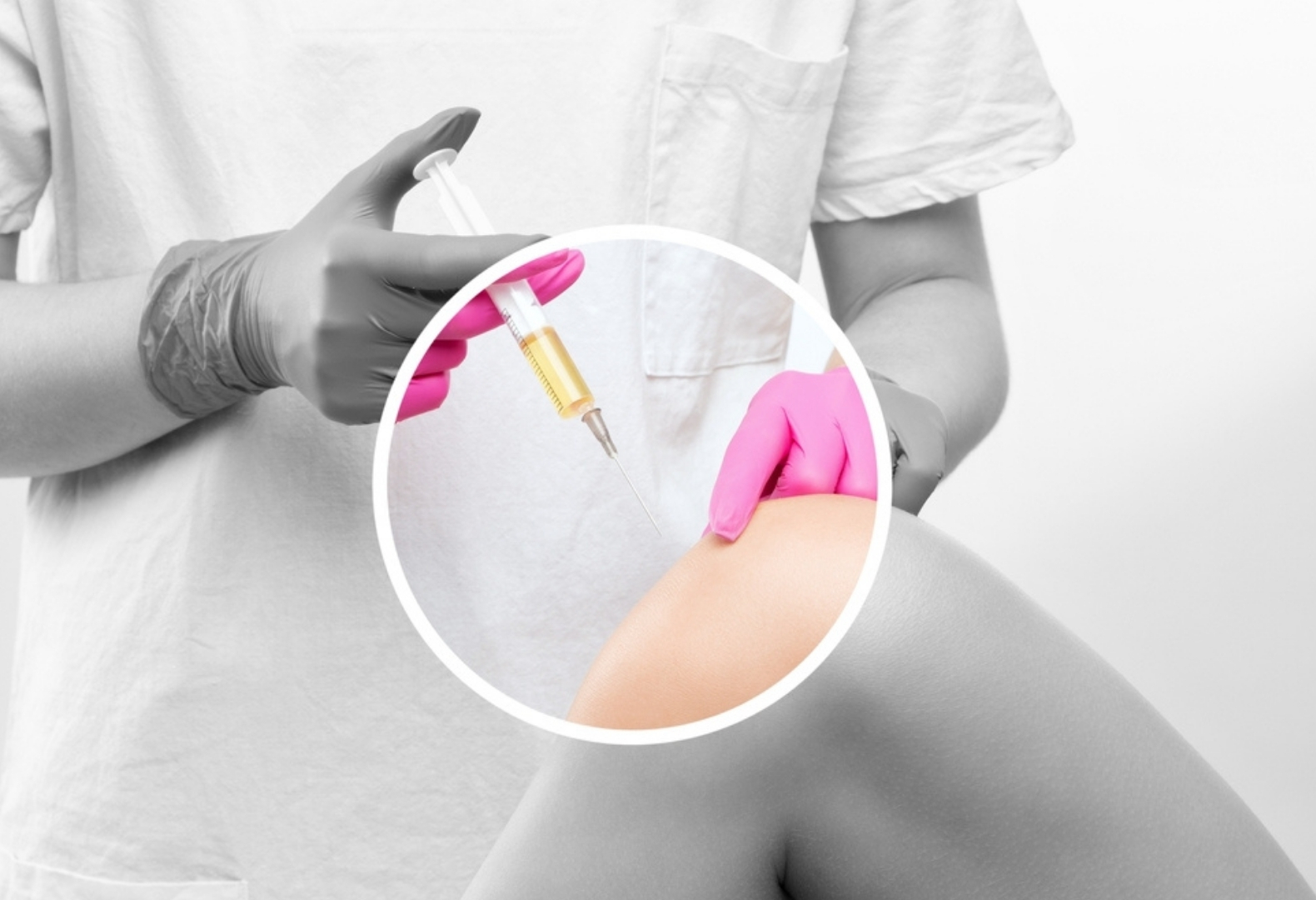
Shockwave Therapy vs. Injections: What the Latest Studies Reveal
Shockwave therapy has gained remarkable attention as more people search for pain solutions that improve tissue health rather than temporarily mute symptoms. Injections have been a standard choice for years, especially for inflamed joints and irritated soft tissue, but new research shows a clear difference between treatments that calm discomfort and treatments that regenerate damaged tissue. These discoveries help explain why many individuals are exploring approaches that support long-term strength, resilience, and mobility, such as shockwave therapy.
Why Shockwave Therapy Works Differently Than Injections
Shockwave therapy delivers high-energy sound waves into specific areas of the body. These sound waves stimulate mechanical and biological responses in the tissue. Growth factors are released, blood flow increases, and cellular repair activity rises. Over multiple sessions, these changes encourage the body to remodel tissue that has been irritated or weakened.
Injections take a very different approach. Corticosteroid injections reduce inflammation quickly. Platelet-rich plasma injections harness the healing components of the person’s own blood to support recovery. Although injections can provide relief, many do not significantly improve the underlying structure of the tissue. As a result, relief may fade as soon as the chemical or biological effect wears off.
Shockwave therapy helps the body repair itself. Injections help reduce the sensation of pain. Both have value, but their mechanisms, long-term outcomes, and overall goals are not the same.
Shockwave Therapy and Its Regenerative Mechanism
The regenerative effect of shockwave therapy comes from its ability to create controlled microstimulation inside the tissue. This microstimulation alerts the body to release natural repair chemicals and increase circulation to the area. The sound waves also help break down areas of tightness or inefficient scar tissue, allowing the tissue to heal with greater flexibility and improved alignment.
This helps regenerate tissue in a way that feels natural and progressive. Many people experience improvements in mobility, strength, and stability as the tissue begins functioning with better oxygen flow and healthier cellular activity.

How Injections Approach Pain Relief
Injections help reduce inflammation, swelling, and discomfort. A steroid injection quiets the immune response in a concentrated area. Hyaluronic acid injections add lubrication to arthritic joints. Platelet-rich plasma injections offer healing cells that can support recovery in specific conditions.
These interventions can be helpful, yet their focus is often short-term comfort rather than long-term structural change. They can provide a window of relief, but they do not consistently improve circulation, collagen organization, or tissue elasticity. When tissue does not regenerate, strain tends to return once daily movement loads the irritated area again.
This difference is a central reason many studies highlight the growing interest in regenerative treatment for chronic conditions. Relief that depends solely on reduced inflammation can be unpredictable, especially for active individuals.
Comparing Expected Outcomes: Regeneration vs. Relief
Research comparing shockwave therapy and injections continues to expand. Studies repeatedly show that shockwave therapy supports improvements in mobility and tissue health by encouraging the body to remodel irritated tendons, ligaments, and fascia. People often notice improvement even in stubborn areas such as the Achilles tendon, elbow, plantar fascia, and hip stabilizers.
Injections typically address the discomfort associated with these conditions. They may offer quicker relief, yet they rarely influence the long-term strength of the tissue. Individuals may feel comfortable enough to return to higher levels of activity, but the tissue itself may not be ready to handle the increased load. This mismatch sometimes increases the risk of reinjury.
Shockwave therapy takes a gradual approach that follows the body’s natural speed of healing. Injections offer a fast change in sensation. Both strategies can work, but the goals of each are significantly different.
Duration and Downtime: What the Research Shows
Shockwave therapy sessions are brief and require no downtime. Many individuals resume daily activity immediately after treatment. The body continues to regenerate tissue over the following weeks, which means results become more noticeable over time. For those who want to stay active, this steady progression feels manageable and sustainable.
Injections vary in their recovery time. Steroid injections sometimes require reduced activity for a few days. Platelet-rich plasma injections often require modified movement patterns for a short period while the tissue responds to the treatment. Some injections also have limits on how frequently they can be used, particularly steroids, because repeated use can weaken tissue or affect joint surfaces.
The research consistently shows that shockwave therapy fits well into routines involving training, coaching, or regular activity. It supports recovery without interrupting physical goals.
Long-Term Tradeoffs in Pain Management Choices
Choosing between shockwave therapy and injections often comes down to long-term priorities. If the goal is to reduce pain quickly, injections can be effective. If the goal is to encourage healthier tissue, better movement, and fewer setbacks, shockwave therapy aligns more closely with that vision.

Another important factor involves regeneration. Tissue that receives better oxygen flow and improved cellular activity becomes stronger and more adaptable. This internal strength protects against future irritation. Injections do not consistently promote these changes.
Long-term joint health also depends on how the body responds to movement. When pain decreases without tissue improvement, it becomes tempting to increase training or return to intensity levels that the tissue is not ready to handle. This increases strain and the likelihood of recurring pain patterns.
A Balanced Approach to Treatment Decisions
Both shockwave therapy and injections have a place in modern pain management. The key difference lies in the overall objective. Injections address the sensation of pain. Shockwave therapy addresses the quality of the tissue that produces the pain.
When individuals want to stay active, avoid unnecessary procedures, and feel confident in their physical abilities, regenerative strategies create a clearer path. They enhance tissue health, support movement mechanics, and reduce the likelihood of repeating the same pain cycles.
The Way Forward Towards Non-Surgical Pain Relief
A meaningful approach to pain relief focuses on how well the body can recover, repair, and perform under daily demands. When tissue regenerates, the spine, joints, and muscles function with more freedom and less strain. SoftWave, regenerative care, mobility work, and chiropractic extremity treatment help restore strength and stability without relying on injections or invasive procedures.
At Optimal Health Members, we support individuals who want to regain movement and build healthier tissue through non-surgical methods. Our regenerative shockwave therapy and progressive chiropractic care create a strong foundation for long-term relief. Contact us today to book a session.
