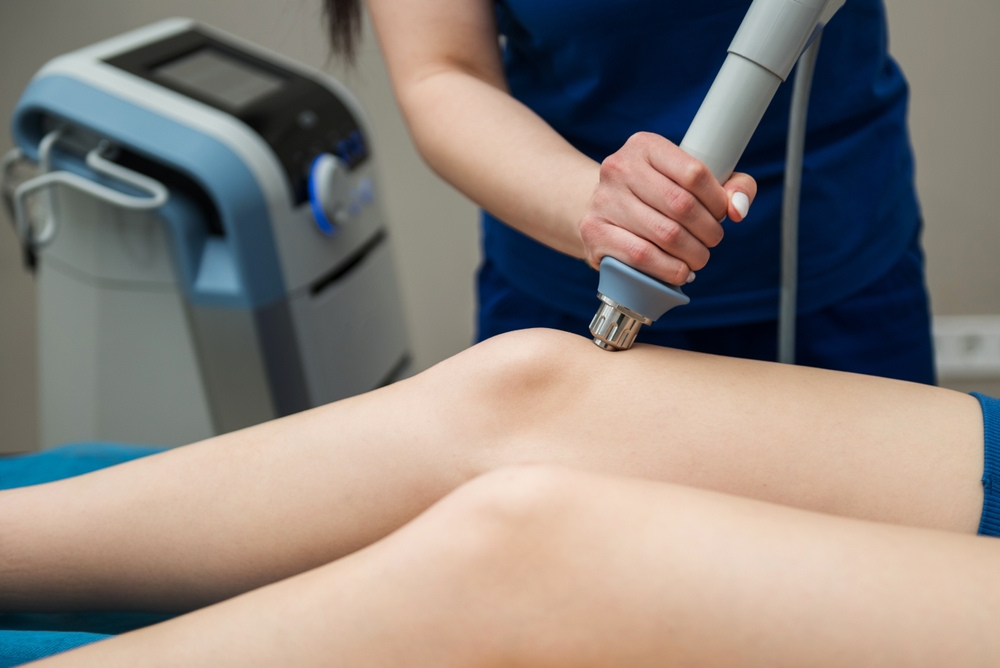
SoftWave Therapy for Knee Pain: How It Speeds Recovery and Reduces Inflammation
Knee pain can make everyday movement feel difficult and limit quality of life. Many adults turn to progressive solutions like SoftWave Therapy for knee pain to reduce discomfort and restore function. This non‑invasive approach offers a promising option for people seeking relief without surgery or long recovery time.
What Causes Knee Pain and Reduced Mobility
Knee pain often results from arthritis wearing down joint cartilage over time. Repetitive overuse from walking, climbing, and exercise can strain connective tissues around the knee. Sports injuries such as meniscal tears or ligament sprains also trigger swelling, stiffness, and pain.

Pain from osteoarthritis or injury commonly arises when inflammation builds up inside the joint. Chronic inflammation limits the knee’s range of motion and leads to progressive stiffness. Without effective treatment, these factors can significantly reduce mobility and overall quality of life.
SoftWave Therapy targets the underlying issues of pain and swelling rather than temporarily masking symptoms. Many people find they can stay active longer with improved knee joint comfort. For athletes and everyday adults alike, this means more time doing the activities they enjoy.
How SoftWave Therapy Supports Knee Healing
SoftWave Therapy uses acoustic shock waves to stimulate healing at the cellular level. Studies on extracorporeal shockwave therapy show significant improvements in pain and function for knees affected by osteoarthritis compared with control treatments. In one large analysis involving nearly 900 people, shockwave therapy significantly improved pain relief and physical function compared to sham procedures.
These sound pulses not only help reduce inflammation but also promote increased blood flow and tissue regeneration. Better circulation supports nutrient delivery essential for tissue repair. This process helps decrease swelling and supports recovery beyond short‑term relief.
Over successive sessions, SoftWave Therapy encourages soft tissue around the knee to remodel and recover more efficiently. That can help decrease stiffness and improve the ability to bend and straighten the knee. Because the treatment taps into the body’s own healing response, rest and recovery often come more naturally.
Benefits for Athletes and Active Adults
SoftWave Therapy for knee pain offers athletes and active adults a safe, non-invasive recovery option. Focused treatment can help accelerate healing from overuse injuries and repetitive impact. Many individuals notice improved mobility and reduced discomfort after consistent sessions.
Key benefits for athletes and active adults include:
Faster recovery from repetitive strain or sports-related knee injuries.
Reduced swelling and inflammation, allowing more consistent training and performance.
Enhanced soft tissue health supporting smoother, more fluid movement.
Lower reliance on pain medications or invasive treatments for knee discomfort.
Personalized therapy plans tailored to specific activity levels and recovery goals.
Integrating SoftWave Therapy with strength exercises and physical conditioning supports long-term joint function. Athletes often regain confidence and maintain higher activity levels with consistent treatment and monitoring.
Inflammation and Tissue Regeneration Explained
Inflammation is the body’s natural response to injury, yet prolonged inflammation can delay healing and increase discomfort. SoftWave Therapy helps modulate inflammatory signals inside the knee joint. That can lead to reduced pain and calmer tissue environments where cells can repair more effectively.
Aside from pain reduction, soft wave shockwaves are thought to activate growth factors that support new blood vessel formation. Better vascularization assists with oxygen delivery and metabolic waste removal in damaged tissues. Such effects may support both pain relief and structural healing over time.
Patients with chronic knee pain often notice improvements after a few sessions, though individual responses vary. When combined with conservative care like targeted exercise and proper rest, this treatment can help maintain joint health. Experts note better outcomes when shockwave therapy complements a holistic pain management plan.
Common Knee Pain Scenarios Treated with SoftWave
SoftWave Therapy for knee pain can help individuals experiencing both chronic discomfort and recent injuries. Many patients benefit from targeted sessions designed to address specific sources of knee pain. Each treatment plan is personalized based on symptoms, activity level, and recovery goals.

Photo: Optimal Health Members
Common knee pain scenarios that respond well to SoftWave Therapy for knee pain include:
Arthritis-related joint degeneration causing chronic inflammation and stiffness.
Repetitive overuse injuries from frequent walking, running, or occupational activity.
Sports-related trauma such as ligament sprains, meniscus tears, or tendon strains.
Soft tissue conditions like bursitis, patellar tendonitis, or localized inflammation.
Minor acute injuries or irritation from sudden impact or awkward movements.
Treatment is tailored to each patient’s condition and functional limitations for optimal results. Consistent therapy combined with lifestyle adjustments, like strengthening exercises and weight management, supports long-term knee mobility and overall joint health.
Personalized Care and Next Steps for Relief
Pain relief rarely comes from a single approach alone. Combining targeted shockwave therapy with individualized care plans helps people optimize outcomes. For example, addressing nutrition, movement patterns, and muscle strength plays a key role in sustaining improvements over time.
SoftWave Therapy is non‑invasive, typically requires short treatment sessions, and involves minimal downtime. People often appreciate that it works with the body’s healing mechanisms rather than relying solely on medication. Continued progress can help fragile knee joints withstand everyday stresses more effectively.
Properly paced physical activity and gradual strengthening of supporting muscles around the knee can preserve mobility gains. Restoring functional confidence encourages people to stay active and pursue their wellness goals. As inflammation decreases, most people find greater ease in routine movements and exercise.
Moving Forward with Long‑Term Knee Health
Knee pain can limit independence and reduce participation in activities that matter most. Recovery often depends on addressing both symptoms and tissue health for lasting results. Innovative approaches help ease discomfort, promote healing, and support mobility improvement beyond short‑term fixes.
At Optimal Health Members, we offer personalized SoftWave Therapy sessions designed to restore knee function and alleviate pain while reducing inflammation. Schedule a consultation to begin your journey toward pain‑free movement and improved mobility.
